If you are planning to visit, study, work, or immigrate to Canada,
a criminal record can become a real problem at the border. Under Canadian
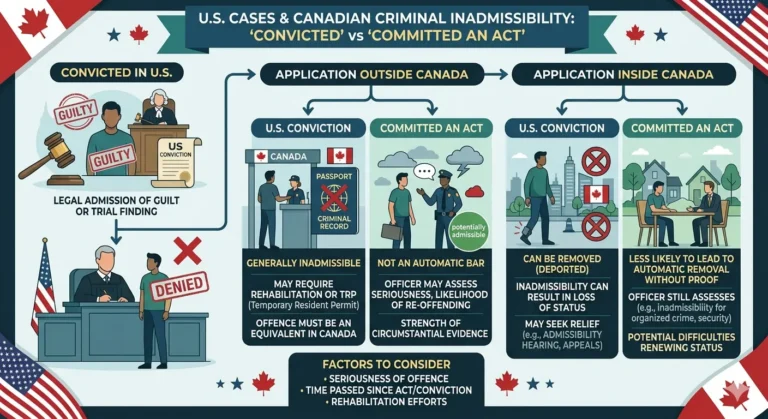
immigration law, this is called criminal inadmissibility. It means
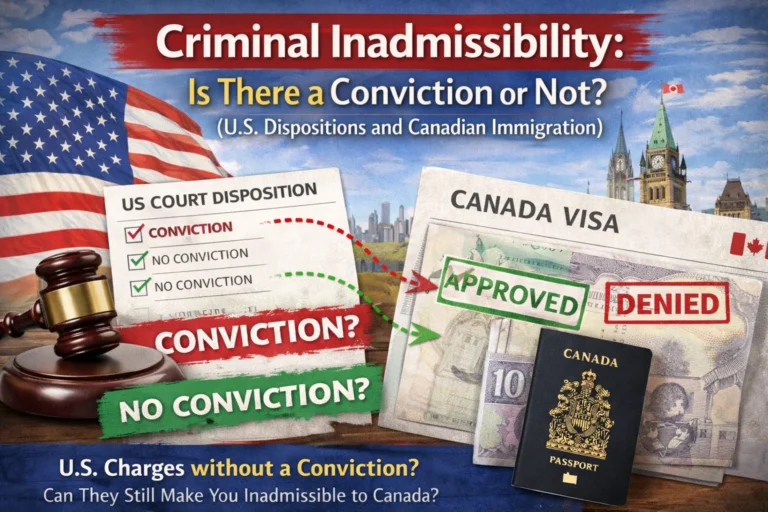
Canada can refuse you entry because of a past conviction or because of conduct
that would be considered a crime under Canadian law.
This is more common than many people realize. In its 2024
year-in-review, the Canada Border Services Agency (CBSA) said it
welcomed more than 80.5 million travellers into Canada. In that same
report, the CBSA also said officers identified almost 34,000 foreign
nationals at the land border with the United States whom they believed to be
inadmissible. The report further states that the CBSA removed over
14,000 foreign nationals from Canada for violating the Immigration and
Refugee Protection Act, including more than 4,100 inadmissible foreign
nationals returned to the United States and about 460 U.S. nationals.
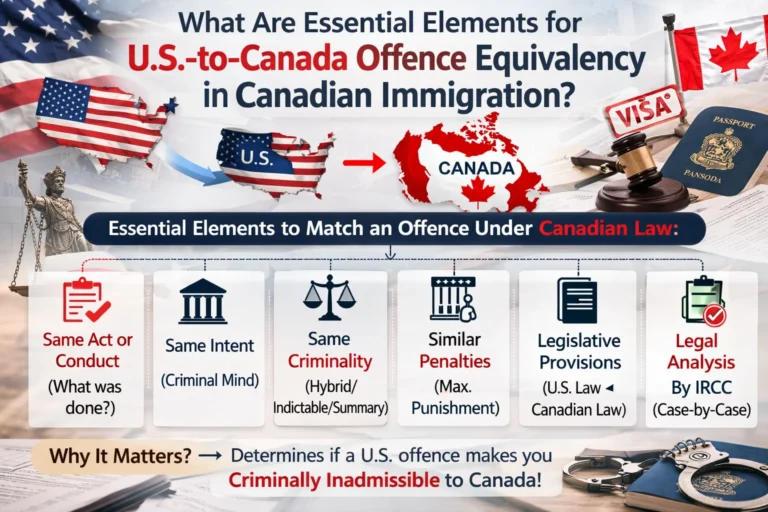
For Americans, that matters. A past DUI, assault, theft, fraud
conviction, or other offence may be treated much more seriously at the
Canadian border than people expect. The issue is not just what the offence was
called in the United States. The real question is how that offence is viewed
under Canadian law.
What Section
36 Means
The main rule is found in section 36 of the Immigration and Refugee
Protection Act. This is the section that deals with criminal
inadmissibility. It divides the issue into two categories: serious
criminality and criminality.
Serious criminality can apply where a person has a conviction in Canada for an offence punishable
by a maximum sentence of at least 10 years, or where a sentence of more than
six months has been imposed. It can also apply to offences or conduct outside
Canada if the Canadian equivalent would be serious enough to meet that
threshold.
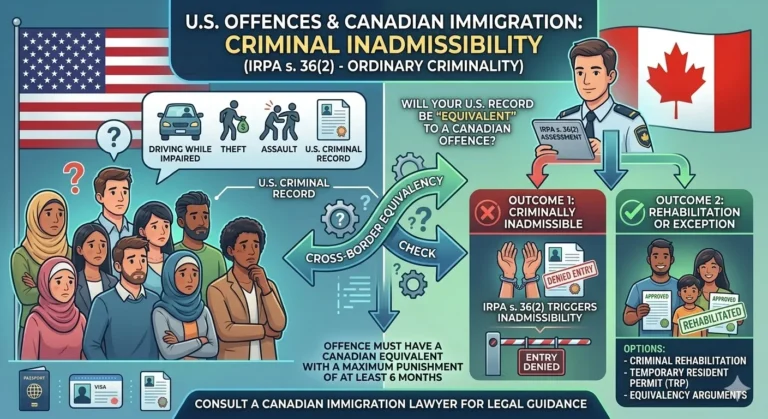
Ordinary
criminality applies to
foreign nationals and can arise from a Canadian indictable offence and two
separate summary offences. Also, foreign convictions or conduct that would
amount to an indictable offence in Canada.
That is why
even an old U.S. offence can still affect whether you are allowed into Canada.
Why the
Numbers Matter
The CBSA’s
public enforcement data helps show how active border screening really is. The
CBSA’s removals statistics page reports 17,383 total enforced removals in
2024. Of those, 763 were for criminality under section 36, and 39
were for transborder criminality under section 36.
That does not
mean every person flagged at the border was criminally inadmissible. People can
be found inadmissible for different reasons. But these numbers do show that
Canadian immigration enforcement is active, and that section 36 is very much
being used in real cases.
A criminal
record does not automatically mean you will never be allowed into Canada. But
it does mean you should not guess. For many Americans, the biggest mistake is
assuming that a U.S. conviction will be treated casually at the Canadian
border. Often, it is not.
A proper legal
review can help determine the Canadian equivalent of the offence,
whether section 36 applies, and whether any options may be available
before you travel.
A&M
Canadian Immigration Law Corporation is based in Winnipeg, Manitoba, and helps clients with Canadian
admissibility issues, including criminal inadmissibility.
Call A&M
Canadian Immigration Law Corporation: (204) 442-2786 or book an appointment
online.
If you are
relying on an old conviction being “minor,” a document review can help confirm
whether it creates criminal inadmissibility under Canadian law.
Sources
● CBSA 2024 Year in Review: CBSA Protecting Canadians and
Supporting Our Economy
● CBSA Immigration Removal Statistics
● Immigration and Refugee Protection Act, section 36
Disclaimer
(Educational Use Only)
This content is
for general educational information only and is not legal advice. Immigration
laws, regulations, and policies can change. For a detailed admissibility
analysis, speak with a qualified immigration lawyer about whether you, or
someone you know, may be inadmissible and what options may apply.