A lot of Americans find out about criminal inadmissibility at the worst possible time — when the trip is already booked and the border is right in front of them.
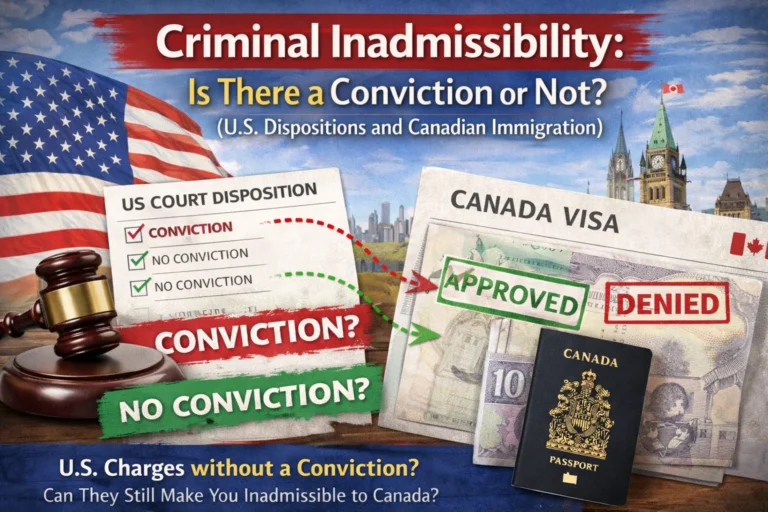
Maybe it is a DUI from years ago. Maybe it is an old theft or assault conviction that has not
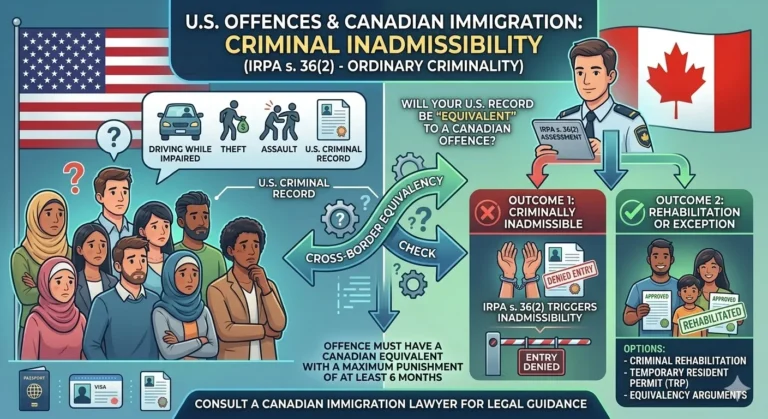
affected daily life in a long time. From a U.S. point of view, the matter may feel finished. But Canada applies its own immigration rules, and a past offence can still affect whether you are allowed to enter.
One of the main long-term solutions is a criminal rehabilitation application.
What criminal rehabilitation actually does
Criminal rehabilitation is the process of asking Canada to formally recognize that you have moved on from the offence and are unlikely to reoffend.
If it is approved, the inadmissibility connected to that past criminal activity can be overcome on a permanent basis for the offences covered by the application.
For Americans and U.S. residents, that can make a major difference. Instead of wondering
whether an old conviction will keep causing border problems every time you travel, criminal rehabilitation can be the step that clears the issue in a more lasting way.
Who usually needs it
This application is most relevant for foreign nationals, which includes U.S. citizens, green card holders, and other non-Canadian residents living in the United States.
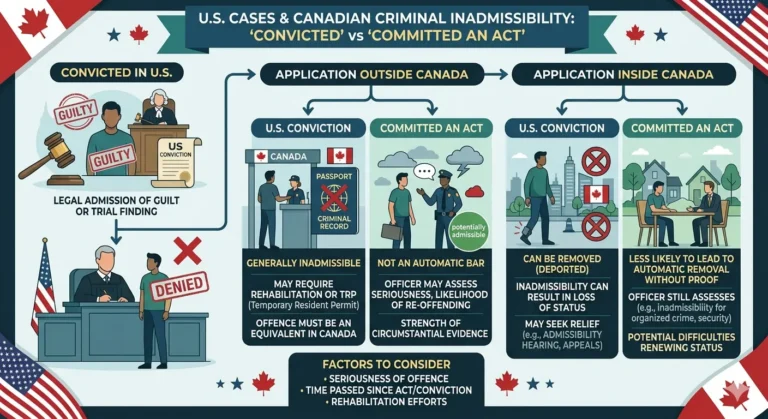
Under section 36 of the Immigration and Refugee Protection Act, a foreign national can be
inadmissible for certain convictions outside Canada, or for committing an act outside Canada that would also be an offence in Canada.
For Americans trying to enter Canada, this usually comes up in the foreign national context.
When you can apply
The timing rule is one of the biggest points people miss.
In general, you can apply for criminal rehabilitation if at least five years have passed since you finished your criminal sentence.
That five-year clock does not usually start on the date of arrest or even the date of conviction. It starts after the sentence is fully completed. In real life, that can mean later than people expect, because “sentence” may include more than jail.
The timing often depends on when probation ended, when fines were paid, and when all other
court-ordered conditions were finished.
If less than five years has passed, that usually means you are not yet eligible for full criminal rehabilitation, although a Temporary Resident Permit may still be worth exploring depending on the situation.
What kinds of offences can lead to this issue
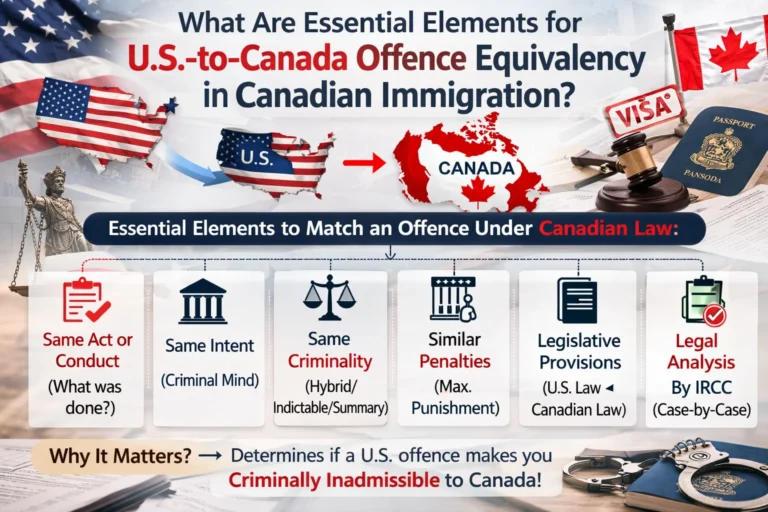
Canada does not just ask what the offence was called in the United States. It looks at the
Canadian equivalent.
That is why offences that seem manageable from a U.S. perspective can still cause real border issues. Common examples include:
● DUI or DWI
● assault
● theft
● fraud
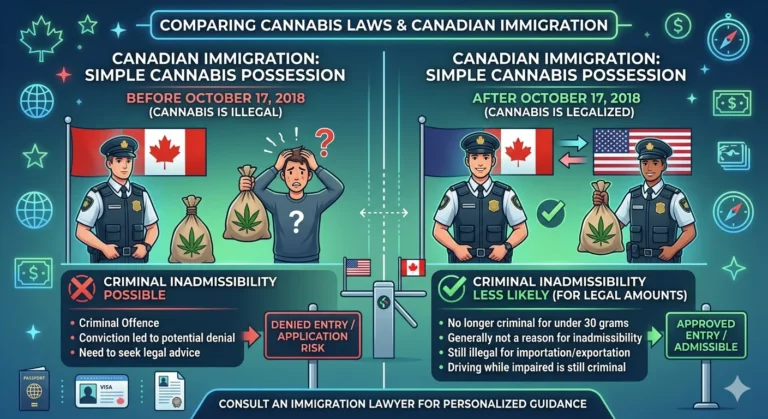
● drug offences
Each case depends on its own facts and on how the offence is treated under Canadian law.
What the application package includes
A criminal rehabilitation application is not just a short form. It usually requires a complete package of records showing what happened, how the case ended, and when every part of the sentence was completed.
For U.S.-based applicants, that can mean gathering documents from several places, including
court records and proof that all conditions were satisfied.
This is one reason these applications often take more work than people first expect.
Why these applications often go wrong
The problem is not always eligibility. Sometimes it is the paperwork.
People often assume that an old conviction is simple to explain because they already know
the story. But immigration officers are not working from memory or assumptions. They want clear records.
If the file does not show the exact charge, the final outcome, and the sentence completion
date, the application can become much harder than it needs to be.
That is especially true for Americans and U.S. residents, because criminal records can
be spread across state, county, and sometimes federal systems.
What if less than five years has passed?
If five years has not yet passed since the sentence was fully completed, that usually means
you are not yet eligible for criminal rehabilitation.
But that does not always mean you are completely out of options.
In some situations, a Temporary Resident Permit may still allow travel to Canada for a specific reason, especially where there is a strong reason for the trip and the case is properly documented.
Why this matters before you travel
A criminal rehabilitation application is not just a formality. For many Americans, it is the difference between hoping for the best at the border and actually dealing with the issue properly.
If you already know you have a past conviction that may make you inadmissible, it is usually
much better to sort that out before you travel. Waiting until a border officer raises it can lead to cancelled plans, missed family events, and expensive disruption.
A careful review can help determine whether you may qualify for criminal rehabilitation and what documents will matter most.
If you are facing admissibility concerns, including criminal inadmissibility, A&M Canadian Immigration Law Corporation in Winnipeg is here to help. Reach out or book a consultation online.
Sources
· Application for Rehabilitation for Persons Who Are Inadmissible to Canada Because of Past Criminal Activity
· Immigration and Refugee Protection Act, section 36
· Overcome criminal convictions
Disclaimer
This article is for general educational purposes only and is not legal advice. Immigration law
can change, and every case depends on its own facts. If you are dealing with criminal inadmissibility, get legal advice before making travel plans or filing an application.
Written by:
Dr. Muhammad
Abrar (Barrister and Solicitor)
Author | Writer | Mentor | Legal Researcher | Canadian
Immigration Case Law and Statistics Analyst