Being refused entry to Canada can be frustrating and confusing, especially if you were unaware that your criminal history could affect your ability to cross the border.
Many Americans discover the concept of criminal inadmissibility only after being stopped by a border officer and told they cannot enter Canada.
While this situation can be stressful, a refusal at the border does not necessarily mean you will never be able to visit Canada again.
Why Border Officers May Refuse Entry
Canadian border officers are responsible for enforcing immigration laws and protecting public
safety.
If an officer determines that a traveler may be criminally inadmissible, they have the authority to deny entry to Canada.
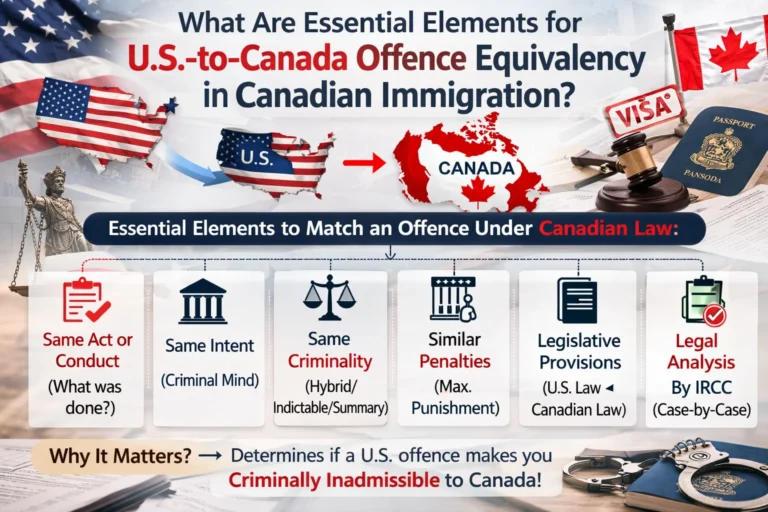
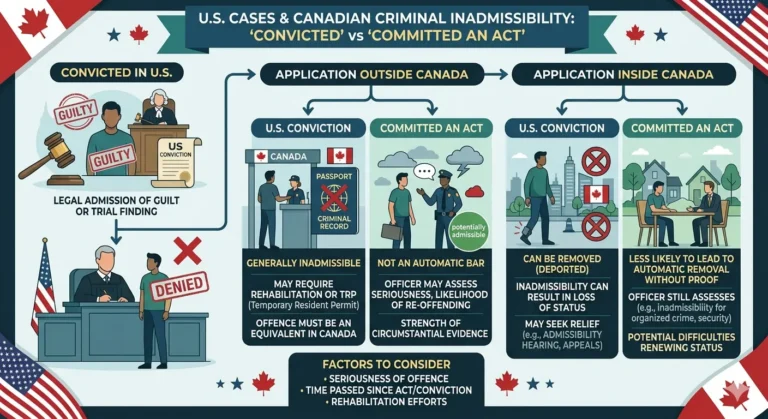
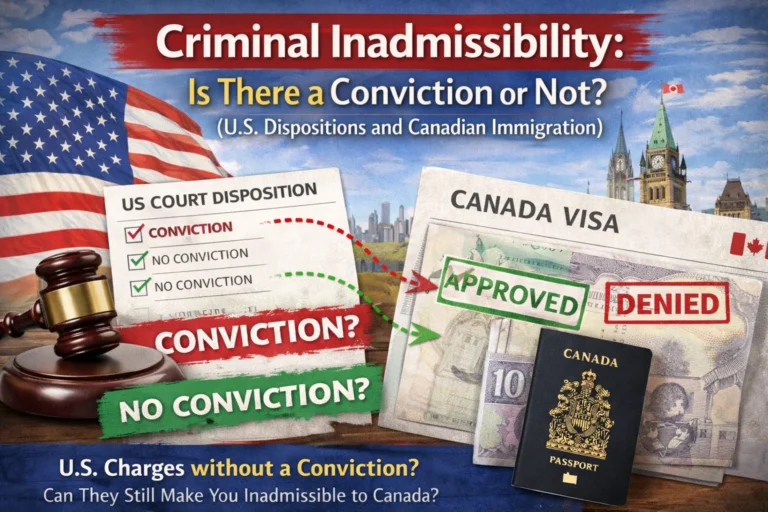
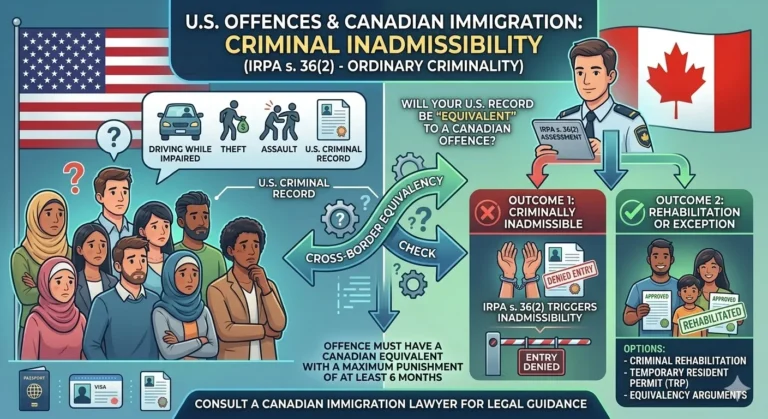
This often occurs when a person has a criminal conviction in the United States that corresponds to a Canadian criminal offence.
Some of the most common offences that trigger these issues include:
● DUI or impaired driving
● assault
● theft or fraud
● drug-related offences
● weapons offences
Even offences that occurred many years ago may still appear in border screening systems.
What Happens After a Refusal
When someone is refused entry, the officer may explain that they are criminally inadmissible
under Canadian immigration law.
This does not automatically mean the person will never be allowed to enter Canada again.
Instead, it usually means the individual must address the inadmissibility before attempting another trip.
Options After Being Denied Entry
Several legal solutions may allow someone to travel to Canada in the future.
Temporary Resident Permit
A Temporary Resident Permit can allow someone who is inadmissible to enter Canada
temporarily if there is a valid reason for travel.
Criminal Rehabilitation
Criminal rehabilitation may permanently resolve inadmissibility once the individual demonstrates they have been rehabilitated and sufficient time has passed since the offence.
Deemed Rehabilitation
Some individuals may qualify for deemed rehabilitation after a certain period of time has passed, depending on the nature of the offence.
Why Legal Guidance Can Help
Criminal inadmissibility cases often depend on specific details, including the offence, the sentence imposed, and the time that has passed since the sentence was completed.
Understanding these factors before attempting to enter Canada again can help prevent further
refusals and identify the best path forward.
A&M Canadian Immigration Law Corporation, based in Winnipeg, Manitoba, assists clients with Canadian admissibility matters, including criminal inadmissibility. Contact us or book an appointment online for guidance.
Sources
Immigration and Refugee Protection Act
IRPA – Section 36
Government of Canada – Criminal inadmissibility
Government of Canada – Temporary Resident Permits
Written by:
Dr. Muhammad
Abrar (Barrister and Solicitor)
Author | Writer | Mentor | Legal Researcher | Canadian Immigration Case Law and Statistics Analyst